

BLOG

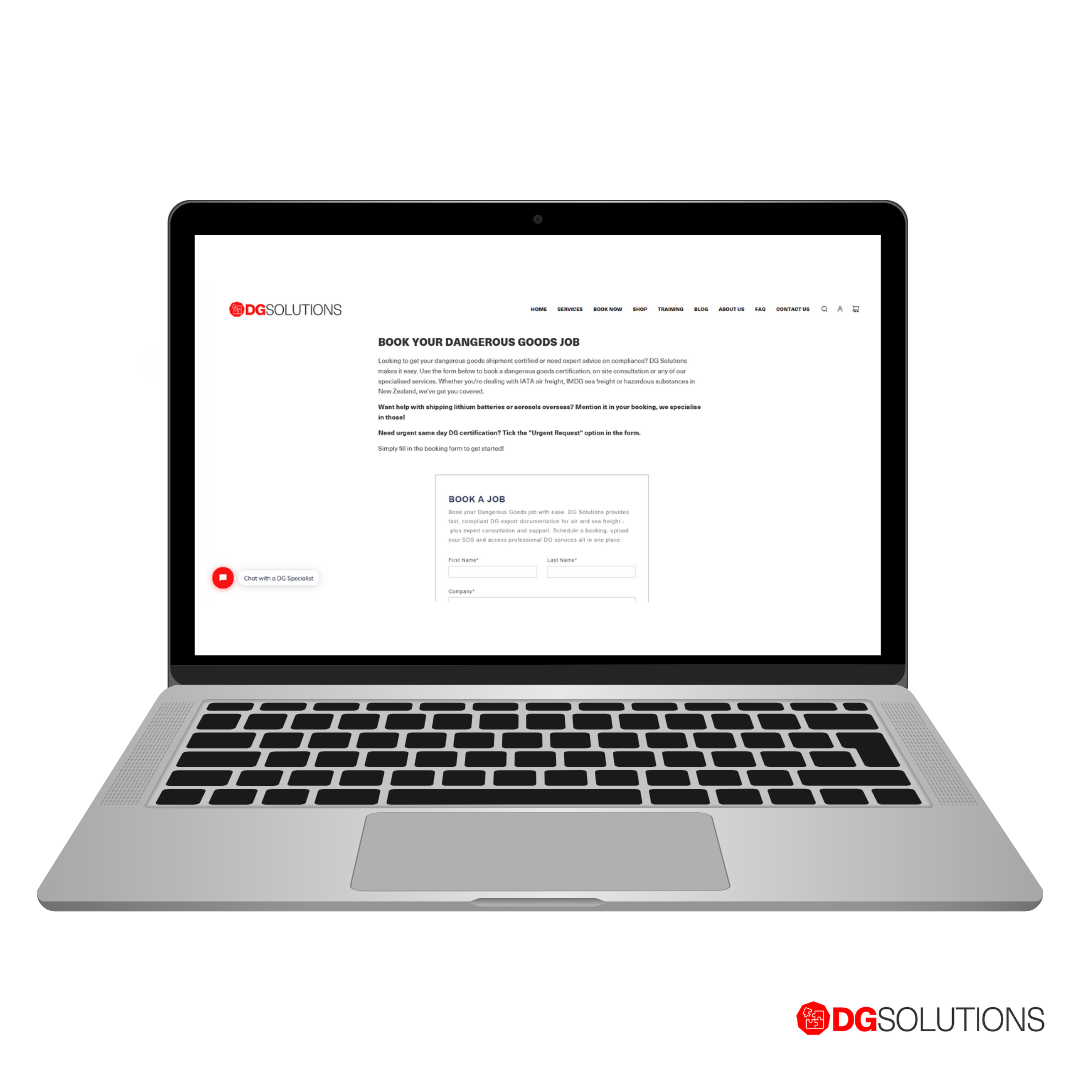
Skip the Headaches and Book Your DG Job Online in Minutes
Skip the Headaches and Book Your DG Job Online in Minutes Here at DG Solutions, we know dangerous goods (DG) compliance can be a bit of a minefield. Whether you’re shipping lithium batteries, aerosols, flammable liquids or a full container of mixed classes, it all needs to be done right. That’s where we come in. To make things even easier, we’ve rolled out our online booking system, so you can schedule your DG export certification job anytime, anywhere. No more back and forth emails or playing phone tag, just a quick, simple form and you’re good to go. What...

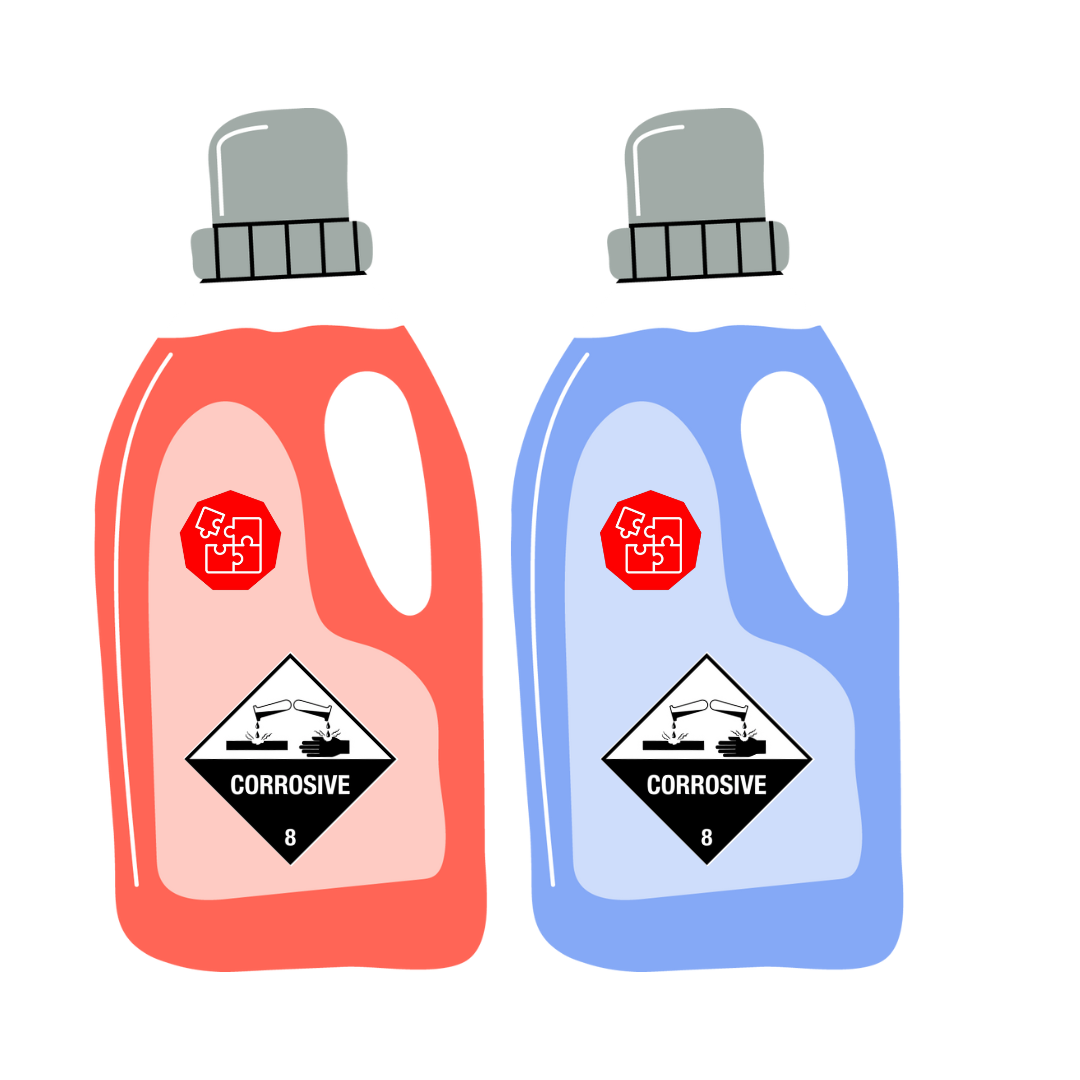
Class 8 Corrosives: What Kiwis Need to Know to Stay Compliant and Safe
When it comes to transporting or storing dangerous goods in Aotearoa, Class 8 Corrosive Substances are one of the trickier classes to manage. They’re the ones that can cause serious damage to skin, metal and even infrastructure, not to mention the compliance headaches if you get it wrong. Whether you’re moving industrial chemicals, cleaning products or battery acid, knowing how to handle Class 8 substances properly is key. Let’s break it down in plain English. What Are Class 8 Corrosives? Class 8 covers substances that chemically destroy living tissue or corrode metals. Common examples include: Hydrochloric acid Sulphuric acid...

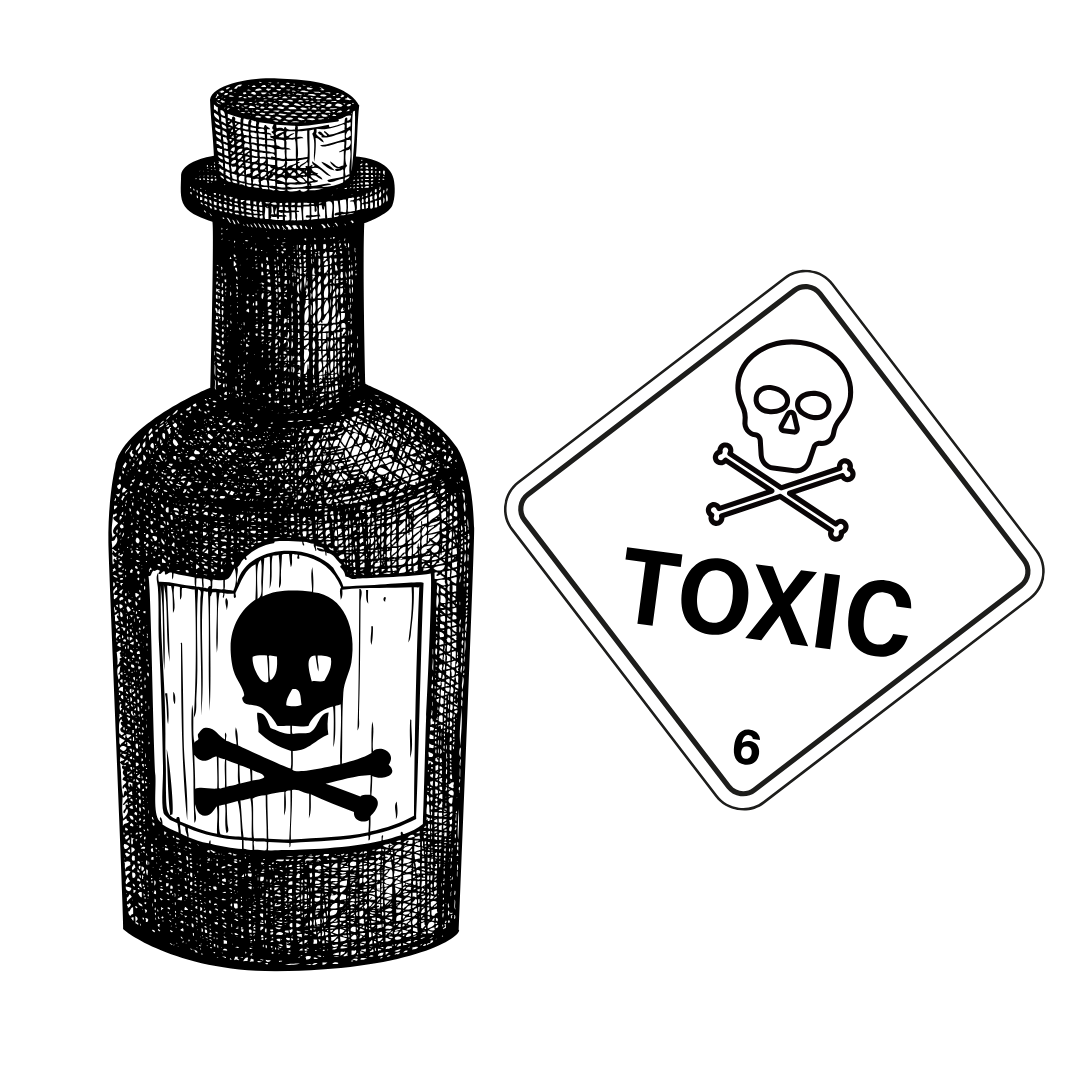
What are Class 6.1 Dangerous Goods?
What Are Class 6.1 Dangerous Goods? When most people think of dangerous goods, they picture things like fuel, gas cylinders or explosives. But one class that often flies under the radar yet can be just as serious is Class 6.1: Toxic Substances. If you're dealing with industrial chemicals, pest control products, lab supplies, or even some cleaning agents, you could be handling Class 6.1 goods without even realising it. Class 6.1 is Toxic but Not Infectious Class 6 is the umbrella for things that can cause harm to people through poisoning. There are two sub-categories: 6.1 – Toxic substances...


Batteries and E-Commerce - What NZ Exporters Need to Know
Batteries and E-Commerce - What NZ Exporters Need to Know Online shopping’s booming and so is the demand for battery powered gear. From power tools and phones to e-scooters and wireless headphones, more and more products being sold online come with lithium batteries inside. If you're an exporter or e-commerce seller in New Zealand, this is a great opportunity but it also means you need to be on top of your compliance game. Lithium batteries are classed as dangerous goods and the rules for shipping them are getting tighter by the day. So, Why the Surge in Battery Shipments?...


Recent articles