

BLOG

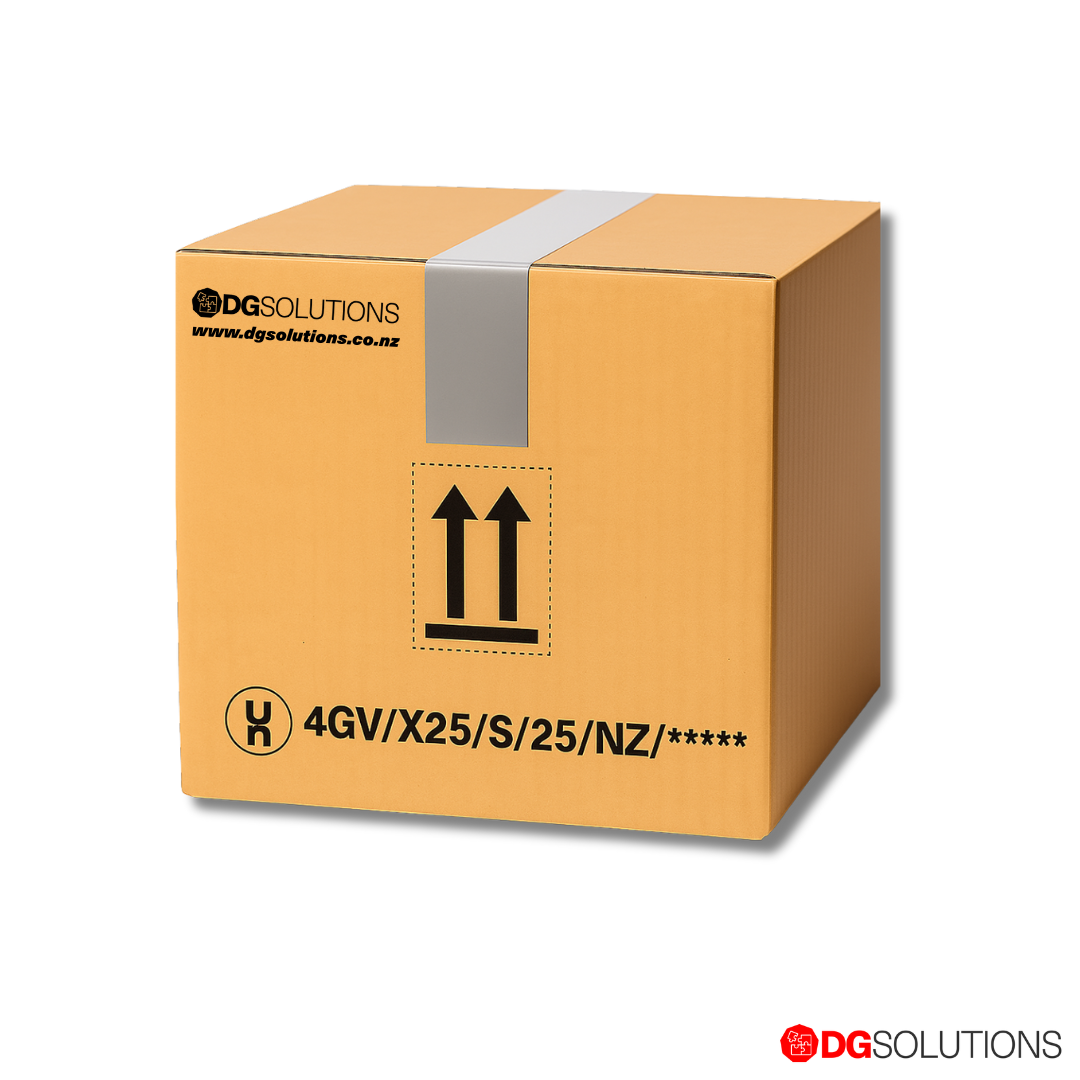
Coming Soon: 4GV 25kg UN Approved Fibreboard Box for Dangerous Goods
Coming Soon: 4GV 25kg UN Approved Fibreboard Carton for Dangerous Goods Looking for compliant, reliable packaging for your next dangerous goods shipment? DG Solutions is proud to announce the upcoming launch of our UN Certified 4GV 25kg Fibreboard Box, designed for the safe transport of Class 3, 6.1, 8 and 9 dangerous goods across New Zealand and internationally. Whether you're sending chemical samples, paint tins, glass bottles or laboratory materials, this versatile 4GV carton has you covered. 4GV 25kg Dangerous Goods Carton – Launching Soon Product Code: 4GV/X25/S/25 Maximum Gross Weight: 25kg Inner Packaging Limit: 11kg Packing Group: I,...


What’s the Difference Between 4G and 4GV Packaging?
When it comes to shipping dangerous goods safely and compliantly, using the right UN approved packaging is crucial. At DG Solutions, we often get asked about the difference between 4G and 4GV packaging and with good reason. These two packaging types sound similar but serve slightly different purposes when transporting hazardous materials. Let’s break it down in plain English, so you can make the right call for your shipments, whether you're sending lithium batteries across the ditch or hazardous liquids up to Whangarei. What Does “4G” Mean? In simple terms, 4G is a UN packaging code that refers to...

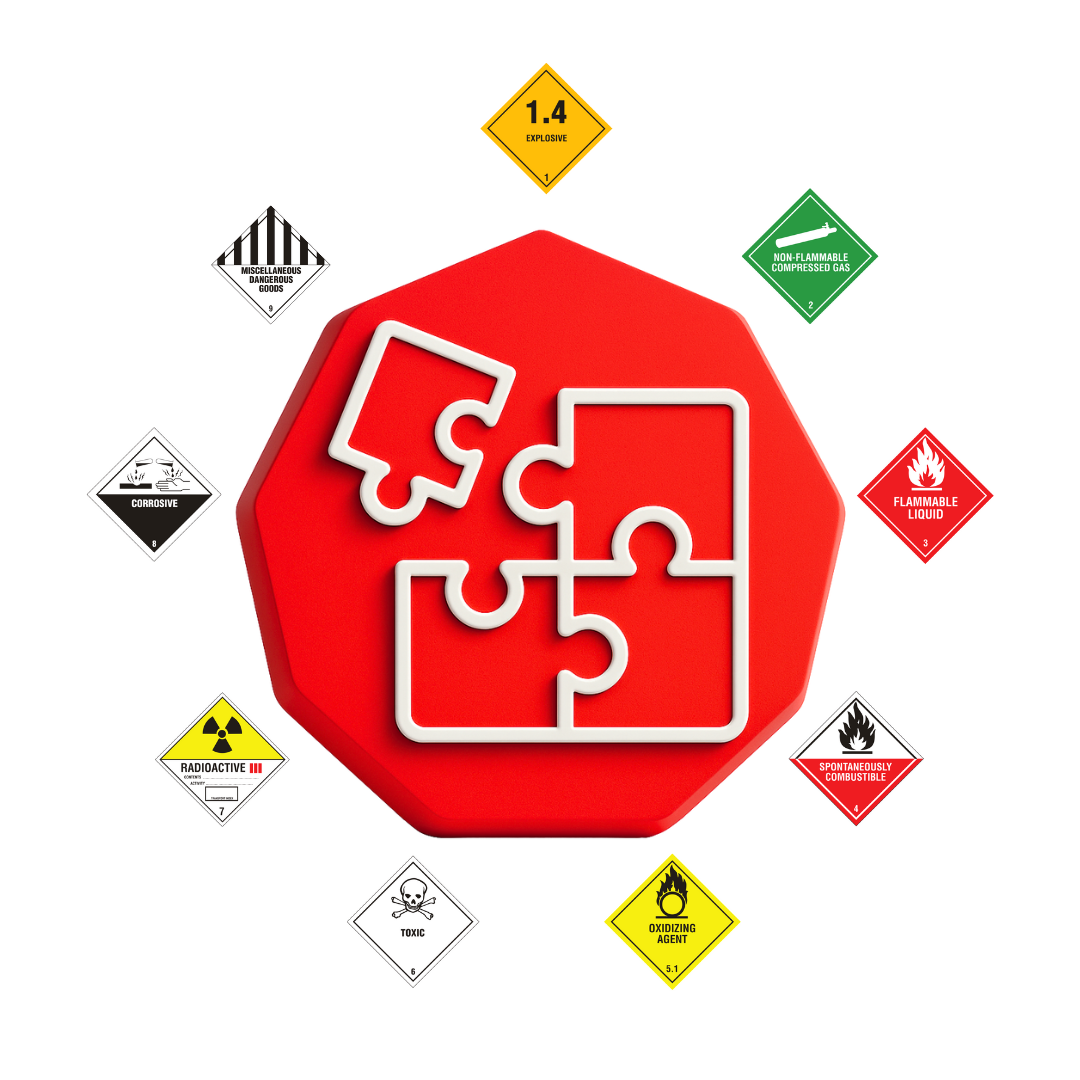
Behind the Logo: The Story of DG Solutions New Zealand’s Brand
Behind the Logo: The Story of DG Solutions New Zealand’s Brand At DG Solutions New Zealand, our logo is more than just a design, it’s a symbol that reflects who we are and what we stand for. Every detail tells the story of our commitment to making dangerous goods compliance straightforward and trustworthy. The Nonagon: Representing the 9 Classes of Dangerous Goods The central shape in our logo is a nonagon, which has nine sides. This shape represents the 9 classes of dangerous goods as defined in the New Zealand Standard NZS 5433 and other local regulations. Every label...

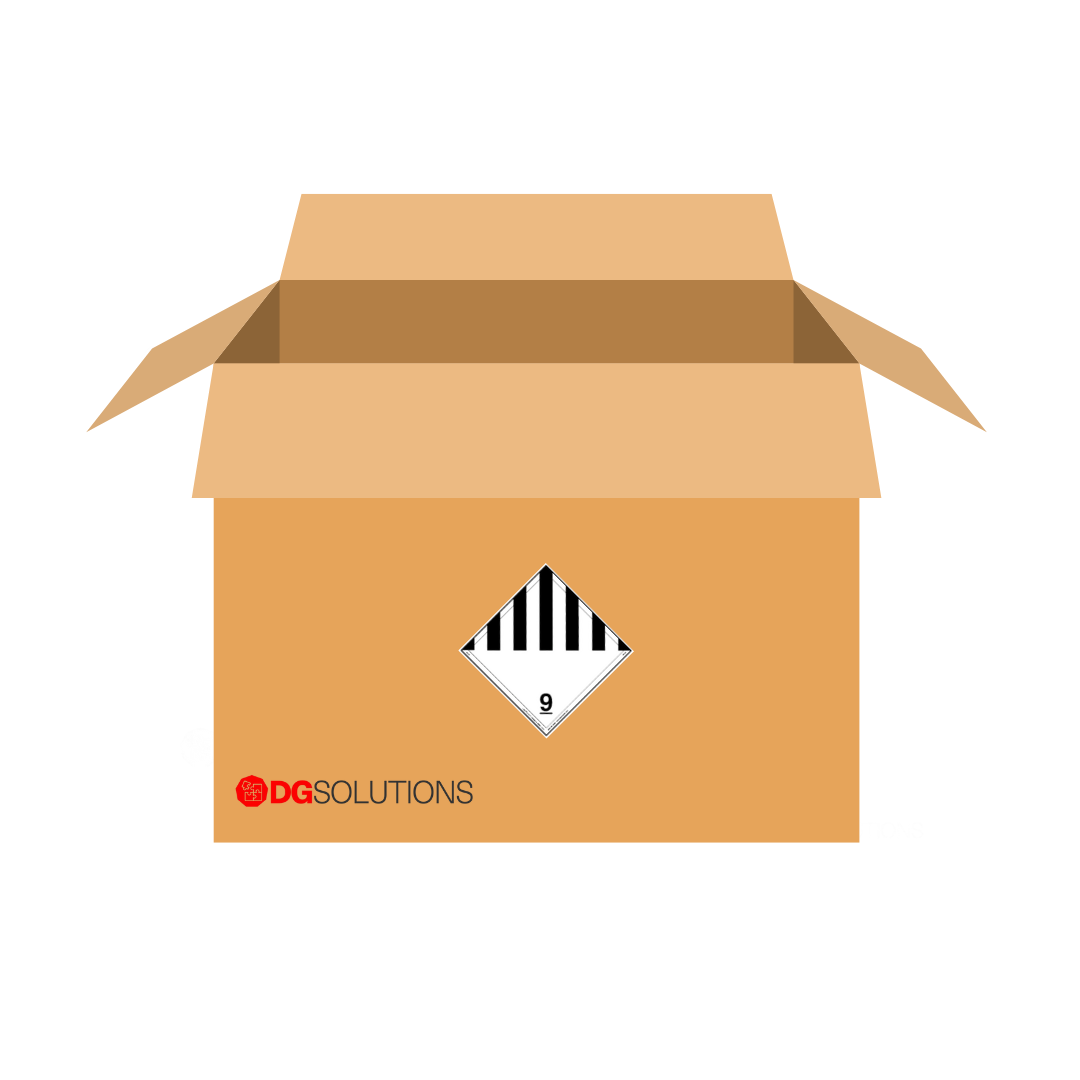
What Are Class 9 Miscellaneous Dangerous Goods?
What Are Class 9 Miscellaneous Dangerous Goods? Not all dangerous goods fit neatly into one category. That is where Class 9 Miscellaneous Dangerous Goods come in. These are the odd ones out, the bits and pieces that can still pose a risk during transport but do not fall under the more obvious headings like flammable or toxic substances. If you are shipping goods across New Zealand or sending something overseas, understanding Class 9 can save you hassle, delays and fines. So What Exactly Are Class 9 Goods? Class 9 Dangerous Goods include a wide range of materials that present...


Recent articles